by | February 8, 2026 3:00 pm
Synopsis: OpenAI plans to introduce ads in free and $8/month ChatGPT Go, to fund accessibility for users amid $13.5 B net losses, ensuring privacy and unbiased responses, while balancing user experience, control, and long-term AI sustainability by 2030.
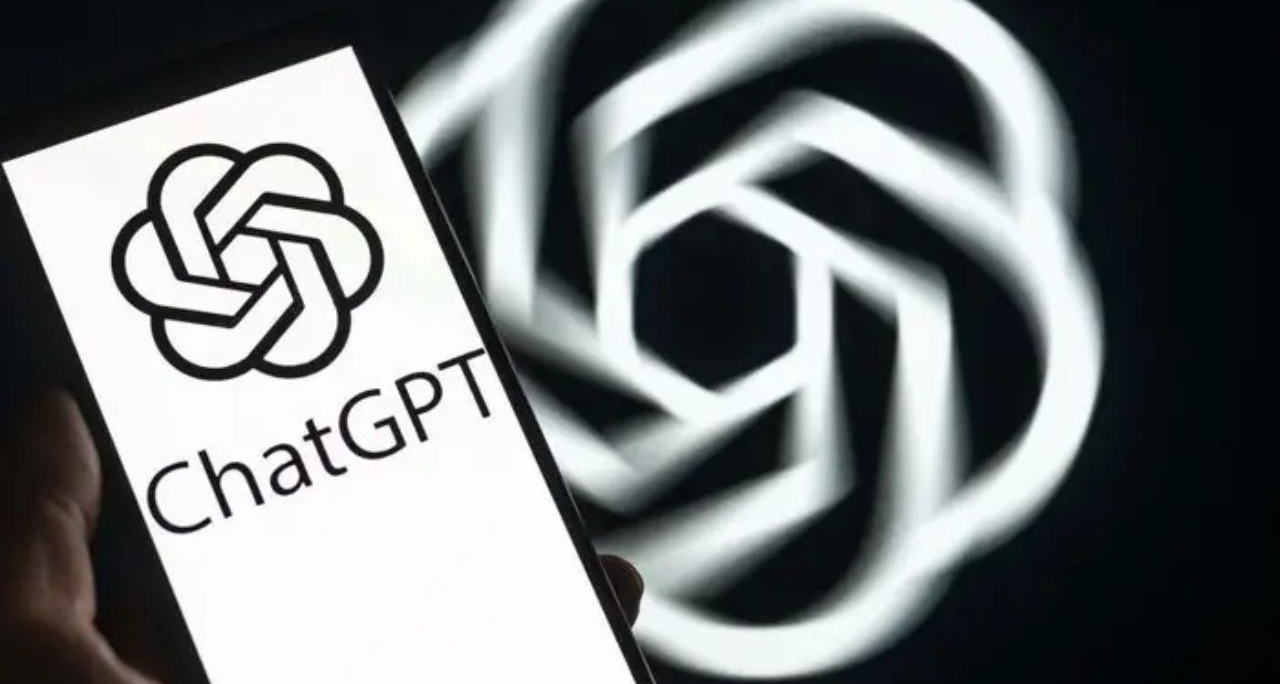
Artificial intelligence is reaching a stage where nearly everyone can have a personal assistant capable of answering questions, creating content, and assisting with daily tasks. ChatGPT has become a widely used tool in this space, offering both free and subscription-based access. Recently, OpenAI announced plans to introduce advertising in the U.S. for its free and ChatGPT Go ($8/month). While ads may help fund broader access to AI, they also raise questions about user experience, trust, and potential biases.
OpenAI’s introduction of ads is aimed at making ChatGPT more accessible while keeping premium tiers ad-free. By testing ads at the bottom of relevant responses, the company hopes to allow users to access AI tools with fewer usage restrictions without paying. These ads will be clearly labeled, separate from the actual responses, and tied to the context of the conversation, such as recommending a product related to a recipe or travel query. This approach is intended to support small businesses and emerging brands, giving them a platform to reach potential customers through AI-generated content.
A major concern for AI users is privacy. OpenAI has emphasized that ads will not influence ChatGPT’s answers and that conversations will remain private. Data will not be sold to advertisers, and users will retain control over personalization, including the ability to turn it off or clear the data used for ad targeting. This principle ensures that users can trust ChatGPT to provide unbiased, useful answers, even as ads appear.
While OpenAI aims to keep ads non-intrusive, everyday users may notice subtle changes. Ads could appear more frequently in the free and Go tiers, potentially interrupting the flow of conversation. Users may need to develop strategies to minimize their impact, such as upgrading to ad-free subscriptions, turning off personalization, or simply dismissing irrelevant ads when possible.
A common concern is whether advertising might influence the quality or neutrality of responses. OpenAI has stated that ads will not alter the AI’s answers and that the focus remains on delivering objective and helpful content. However, repeated exposure to certain sponsored products may create the perception of bias if users encounter similar recommendations often. Awareness and critical evaluation of AI suggestions will remain important, especially for decision-making in areas like health, finance, or politics, where ads are explicitly excluded.
Ads provide a practical way to keep AI accessible without charging everyone, but they require careful implementation. Users can maintain control by opting out of personalization, using paid tiers, or providing feedback on ads to help improve relevance. The broader goal is to fund AI accessibility while protecting trust, privacy, and the independence of responses.
OpenAI’s rapid rise in AI innovation comes with a staggering cost, and analysts warn the company could face a cash crunch by mid-2027. In early 2025, OpenAI generated $4.3 billion in revenue but posted $13.5 billion in net losses, suggesting it loses roughly three times more than it earns. OpenAI spent $8 billion in 2025, with projections soaring to $40 billion by 2028, while profitability is only expected by 2030. Massive investments in datacenters and ambitious AI projects have created a financial gap that even record-breaking fundraising like the $40 billion raised under Sam Altman may struggle to bridge.
Unlike established tech giants such as Microsoft or Meta, which had pre-existing revenue streams, OpenAI depends heavily on free and subscription-based services, making user retention critical as ads and usage limits are introduced. Analysts note that while many users may switch to competitors initially, entrenched AI that learns preferences, habits, and emotional profiles could lock in audiences long-term.
The broader implication is that OpenAI’s financial sustainability will determine not just its own future but potentially reshape the accessibility and economics of AI for everyday users. Even Ads can also be another reason that users can shift to other platforms.
Introducing ads to ChatGPT represents a shift in how AI services are funded and accessed. While it can democratize access to advanced AI tools, it also presents challenges in maintaining user experience, privacy, and perceived neutrality. Users who prioritise uninterrupted and fully private interactions may choose paid subscriptions, while those on free tiers can manage ads through settings and feedback. Ultimately, OpenAI’s success in integrating ads will depend on its ability to balance revenue generation with the trust and usefulness that made ChatGPT popular in the first place.
Disclaimer: The views and investment tips expressed by investment experts/broking houses/rating agencies on tradebrains.in are their own, and not that of the website or its management. Investing in equities poses a risk of financial losses. Investors must therefore exercise due caution while investing or trading in stocks. Trade Brains Technologies Private Limited or the author are not liable for any losses caused as a result of the decision based on this article. Please consult your investment advisor before investing.
Akshay Sanghavi is a NISM-certified Research Analyst with over three years of hands-on market investing experience. He specialises in IPO analysis, equity research, and market evaluation, delivering structured, data-driven insights for long-term investors. With an MBA in Finance and HR, he brings a strong analytical foundation to his research, helping readers navigate evolving market trends with clarity and confidence.
Trade Brains is India’s trusted financial and business news portal.
Phone: 080884 91790
Email: [email protected]
Reach us out at
For Advertisement, Press Releases, Partnerships or to get backlinks on this website, please e-mail us at [email protected]
For Partnerships & Promotio
Visit – tradebrainsawards.com/
Chandan Singh Rawat
Emaill: [email protected]
Mob: (+91)6366648573
Bikram Singhary
Email: [email protected]
Mob: (+91)8088491790