Latest
AI
Amazon
Apps
Biotech & Health
Climate
Cloud Computing
Commerce
Crypto
Enterprise
EVs
Fintech
Fundraising
Gadgets
Gaming
Google
Government & Policy
Hardware
Instagram
Layoffs
Media & Entertainment
Meta
Microsoft
Privacy
Robotics
Security
Social
Space
Startups
TikTok
Transportation
Venture
Staff
Events
Startup Battlefield
StrictlyVC
Newsletters
Podcasts
Videos
Partner Content
TechCrunch Brand Studio
Crunchboard
Contact Us
China has taken another step to regulate how online influencers impart information to their followers.
The government has put a great deal of effort into moderating digital content over the years. The rise of more real-time media formats, like livestreaming and snappy video sharing, has made it harder to weed out illegal and unwanted information. As such, new control measures are constantly being proposed as the internet landscape evolves.
Influencers and livestreamers distributing “professional” content in fields like medicines, finance, law and education must have the relevant licenses for their regarding fields, said a set of new provisions announced by China’s National Radio and Television Administration, which issues permits to content providers, and the Ministry of Culture and Tourism, which oversees internet culture.
Platform operators should be responsible for reviewing broadcasters’ certifications and subsequently putting the relevant information in the official records. Artificial intelligence-synthesized presenters and content are subject to the same set of requirements as human broadcasters, the rules say.
The new policy will inevitably raise the bar for grassroots, independent content creators but can be good for tackling disinformation, especially when their opinions can potentially have effect on individuals’ healthcare and financial decisions.
Online live broadcasting has boomed in China over the last few years and become the default way for many to consume information and shop for clothes, produce and more — sort of like TV shopping in the mobile internet era. As of December 2021, over 700 million people in China were livestreaming users, 68% of the country’s entire internet population, according to official data.
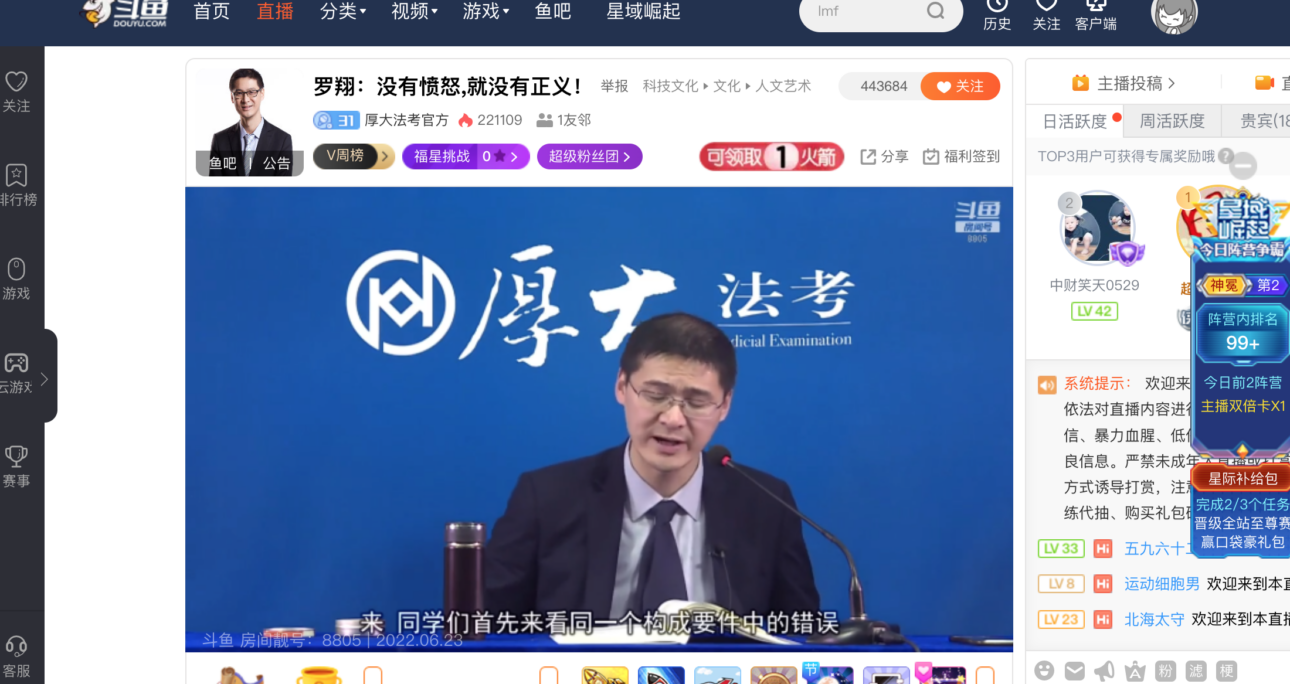
ByteDance’s video app Douyin, which is TikTok’s Chineseversion, and Tencent-backed Kuaishou are two of the top livestreaming platforms in the country. Other big players like Huya and Douyu specialize in gaming content.
Livestreaming has really become an integral feature for platforms of all kinds to engage users. A finance app might have their analysts sharing wealth management tips in live sessions and a healthcare app similarly might invite doctors to give real-time talks.
The other recent change to how China wants to control digital content is a new mechanism that would vet user comments before they go live, according to a proposed rule, which has stirred up debate around room for expression.
A Chinese city to pump life into local business with WeChat live streaming
Topics
Tickets are live at the lowest rates of the year. Save up to $680 on your pass — and if you’re among the first 500 registrants, score a +1 pass at 50% off.
Meet investors. Discover your next portfolio company. Hear from 250+ tech leaders, dive into 200+ sessions, and explore 300+ startups building what’s next. Don’t miss these one-time savings.
Meta to test premium subscriptions on Instagram, Facebook, and WhatsApp
Anthropic launches interactive Claude apps, including Slack and other workplace tools
This founder cracked firefighting — now he’s creating an AI gold mine
TikTok users freak out over app’s ‘immigration status’ collection — here’s what it means
Researchers say Russian government hackers were behind attempted Poland power outage
Microsoft gave FBI a set of BitLocker encryption keys to unlock suspects’ laptops: Reports
© 2025 TechCrunch Media LLC.