How VML Italy group chief creative officer Michele Picci views TikTok’s new era of authentic storytelling.
For brands with bold ideas and creative ambition, TikTok has proven to be a powerful outlet for inspiring audiences and deepening engagement. Through short-form video, the platform has transformed how people consume content, connect with brands, and make purchasing decisions.
Now in its fourth year, the TikTok Ad Awards celebrate the brands and agencies that dare to think differently with campaigns that have entertained communities, sparked imagination, and delivered measurable impact.
Fortune Brand Studio spoke with the industry leaders who judged this year’s contenders for TikTok’s top honors. Here’s what they revealed about what makes a campaign truly stand out on TikTok.
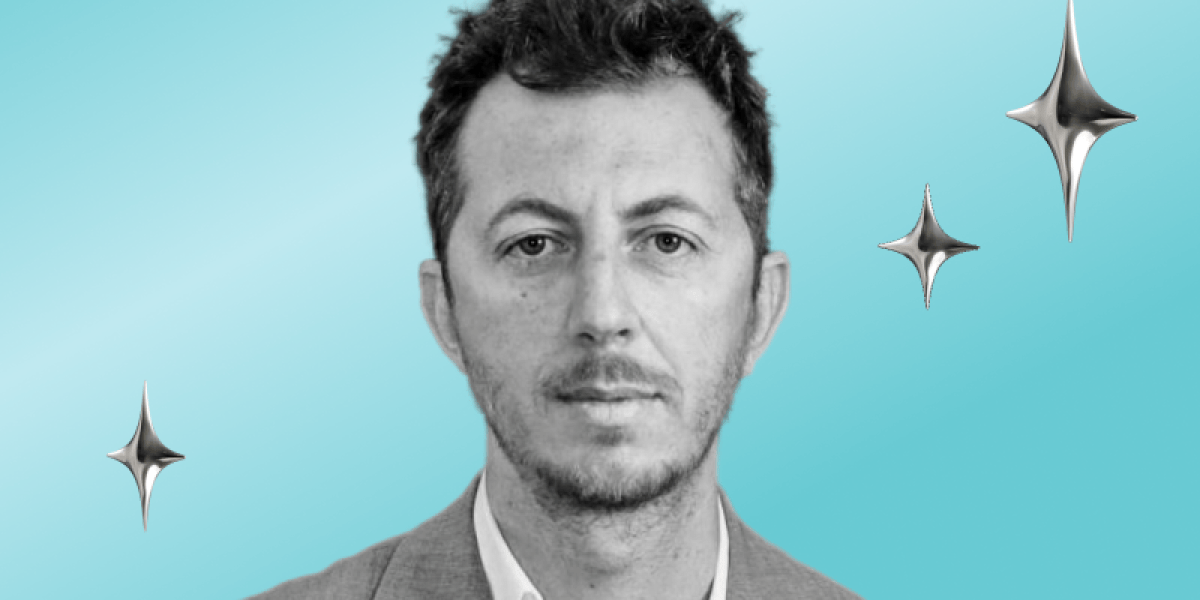
Michele Picci is group chief creative officer at VML Italy, a global marketing and communications network. Based in Milan and with more than 15 years of experience, he has led award-winning creative campaigns, including earning a prestigious Cannes Lions Grand Prix for his work. Here, he discusses how TikTok is redefining creativity, why honesty matters more than polish, and what it takes for advertisers to truly connect with audiences.
Tell us about your career journey and approach to creativity.
My career journey has been less of a straight line and more of a deliberate zigzag driven by the constant urge to outgrow yesterday’s version of myself. When I started, all I wanted was to make great ads. Then I realized I didn’t actually like ads—at least, not the ones that just tell people to buy something. What I love are the ads that don’t feel like ads at all: the ones that make you pause, laugh, think, or feel something real. Ironically, those are also the ones that sell best.
That discovery has guided every choice I’ve made, every project I’ve taken on, and every team I’ve had the privilege to lead. Because people don’t wake up hoping to see a great ad. They wake up wanting to feel something. And sometimes, if we get it right, that feeling just happens to be powered by a brand. That’s what I try to do every day as group chief creative officer at VML.
This is your first year as jury president for the TikTok Ad Awards. What drew you to the role?
TikTok is where advertising stops being advertising. On this platform, brands can’t fake it. If it doesn’t feel real, it doesn’t fly. That’s beautiful because it forces us to be honest again. It makes brands part of conversations, not interruptions, and requires us to show up with authenticity, playfulness, and heart. As a creative, I’ve always been fascinated by ideas that live in culture, not just in media, and TikTok is exactly that kind of space.
What do you see as TikTok’s greatest strength for brands?
TikTok’s greatest strength is that it cares about people. The audience decides what deserves to be seen, not algorithms or budgets. If your idea doesn’t move someone emotionally, it disappears. That pressure is a gift—it pushes brands to act like creators, not corporations. TikTok rewards humanity, not marketing. When you show up with something honest, people join you. When you show up with an ad, they scroll on.
How do you stay on top of TikTok trends?
I don’t believe in “staying on top” of trends because the moment you think you are, you’re already behind. TikTok moves at the speed of culture, and culture doesn’t wait for approval. What inspires us is that it’s democratic. Anyone can post from a bedroom and capture global attention—not because of craft or budget but because it means something to people. Our job isn’t to chase trends. It’s to listen, learn, and create work that feels like it belongs to the world, not just to a brand. It’s anthropology more than advertising.
How can TikTok shape broader brand campaigns?
Most brands still build campaigns and then try to make them fit TikTok. I think it’s more interesting to start there. If a story survives TikTok—if people react, remix, debate—it’s strong enough to travel elsewhere. We treat TikTok like a cultural wind tunnel: It tests an idea’s aerodynamics. What’s real stays in the air, and what’s fake falls instantly. The goal isn’t to copy TikTok’s style across channels but to carry its spirit—the honesty, agility, and participation. It’s not about scaling content. It’s about scaling connection. Having said that, I don’t think ideas need to dominate every touchpoint to matter. They just need to connect where it counts. It’s translation, not transplantation.
How do you connect creative ideas with data and targeting?
TikTok gives us real-time signals about what people love, mock, or remix. Our job is to turn those signals into ideas that feel native, not forced. At VML, we’ve learned that empathy-driven creativity outperforms functional content across engagement, brand lift, and even conversion. Insights can guide, but creativity must lead—bold, messy, human. People share emotion, not campaigns.
How does TikTok change what creative content means?
Traditional advertising is about attention, but TikTok is about intention. People can smell a brand tone from a mile away. The best creative content doesn’t feel like advertising at all. It invites the audience to join the idea, not just watch it. It’s open-source creativity that values emotion over polish. It’s not storytelling; it’s story-sharing. And it’s just the beginning. As AI and personalization evolve, the next wave of creativity will be coauthored between brands, people, and technology.
What kind of feedback do you find most valuable on TikTok?
The feedback is instant and honest. People don’t say, “Nice ad.” They remix it, duet it, or ignore it. That’s the only applause that matters. The highest compliment is when people forget it was a brand. That’s also the culture I want inside VML: curiosity over certainty, boldness over consensus. I’d rather make something people debate than something nobody remembers. Failure isn’t the opposite of success—apathy is.
What role will TikTok play in the future of branded entertainment?
The future belongs to brands brave enough to stop acting like brands. You can’t buy attention anymore—you have to earn participation. We’re moving into an era where collaboration replaces control. That’s not a threat; it’s an opportunity. When you see the audience as a cocreator rather than a target, that’s when real entertainment begins.
What trends have stood out while judging this year’s awards?
Honesty. The best work wasn’t perfect—it was human. You could tell it hadn’t been polished by ten layers of approval. Another thing I noticed is that the line between creator and brand content is gone. Humor is also back, human, self-aware, sometimes awkward humor. The brands that didn’t take themselves too seriously were the ones that won both people’s attention and the jurors’ hearts.
© 2025 Fortune Media IP Limited. All Rights Reserved. Use of this site constitutes acceptance of our Terms of Use and Privacy Policy | CA Notice at Collection and Privacy Notice | Do Not Sell/Share My Personal Information
FORTUNE is a trademark of Fortune Media IP Limited, registered in the U.S. and other countries. FORTUNE may receive compensation for some links to products and services on this website. Offers may be subject to change without notice.
Inside the 2025 TikTok Ad Awards: What defined a winning campaign in Italy – Fortune
Related Posts
 jan 19, 2026
 jan 19, 2026
 jan 19, 2026