
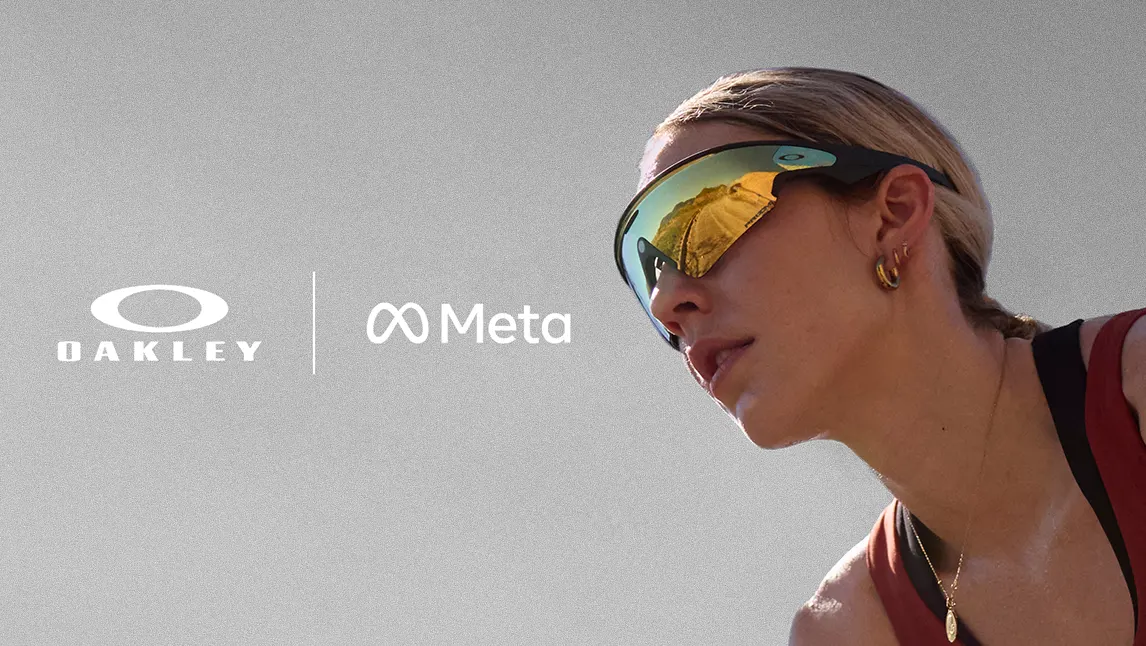
Most sports ads polish performance into highlight reels, flattening the chaos, effort, and split-second reality athletes actually experience.
Kimberley Blanding of Meta and Mother’s Ben Bliss explain how the Super Bowl spot flips that script by capturing real moments through the glasses of athletes and creators who already use them.
By making the glasses both the camera and the coach, the campaign turns first-person perspective into a new way to watch, measure, and learn from performance in real time.
Meta’s Athletic Intelligence Is Here Super Bowl spot is unlike any highlight reel you’ve ever seen. Featuring first-person shots from athletes and creators at the top of their game, the ad captures sport as it actually feels: fast, imperfect, and absolutely invigorating. On the stage of one of the world’s largest sporting events, the spot invites viewers out of their seats and into the action.
We sat down with two leaders who shaped the campaign from opposite sides of the table. Kimberley Blanding is Global Director of AI Wearables Marketing at Meta, a veteran product marketer known for launching high-profile initiatives across Meta and Instagram, with a foundation in brand management at Unilever. She’s joined by Ben Bliss, Group Creative Director at Mother, whose creative career spans some of the industry’s most influential agencies, including Droga5 and Wieden + Kennedy. Their concept is formed on the idea that the best way to show performance is to stop watching it from the outside.
“It’s like the old saying about walking in someone’s shoes, but with this, it’s more like seeing through someone else’s eyes,” says Blanding. “You can see the world from the athlete’s point of view as they’re performing.” Recognizing they were competing against “decades of the best” in sports marketing, the team found the answer right in front of—or resting atop—their nose.
The bigger picture: They turned the Oakley Meta Performance AI Glasses into a storytelling device, zooming in so closely on the lenses that the glasses themselves became a cinematic device. “The glasses act as this amazing canvas that reflects the world around the athletes,” Blanding explains. “It allowed us to show off the micro-expressions of the athletes as they’re doing these amazing feats and, in the same frame, show this much bigger world around them.”
Real recognizes real: Instead of casting talent and figuring out their role later, the campaign starts by looking at how people already use the glasses in real life and builds from there. “Choosing authentic people that love our product is really important,” says Blanding. “iShowSpeed uses the glasses for hands-free capture while doing extreme stunts, Marshawn Lynch uses them to listen to music, and Spike Lee uses them to take photos and videos while watching games. We take how they already use the glasses day to day and let that shape how they show up.” The result feels less like celebrity placement and more like catching people in the middle of what they were already doing.
The Travis Scott partnership follows the same logic. It grows out of an existing relationship and a shared belief that moments are better lived than filtered through a phone. “His sound becomes the perfect metaphor for the campaign,” says Bliss. “The track has a classic, old-school hip-hop beat, but it’s layered with a futuristic Travis Scott edge, which mirrors the glasses themselves. They feel familiar and forward-looking at the same time, modern without drifting away from culture.” The music doesn’t just drive the spot. It actively reinforces the idea that the product is both classically cool and cutting edge, all at the same time.
Down and dirty: By embracing the chaos and grit of actual performance, the campaign offers a raw alternative to the kind of polished, heroic shots that have long defined sports advertising. For the team, the raw truth of the moment is more compelling than any staged reenactment and positions the product as a genuine game-changer for athletes. “It’s real dirt. It’s not a controlled environment,” notes Blanding. “We chose moments that are imperfect and intense, because that is what sport is really like.”
One-two punch: Instead of a single 60-second spot, the brand is running two separate 30-second ads, treating the game as a chance to introduce and then reinforce a new idea. “Meta Glasses are a new category and a new behavior, so repetition matters,” Blanding explains. “Last year we first set the stage for what AI glasses were, and then in the second commercial we added more detail on how people are using them. We’re using the same approach again because people want to understand what these are and how they’d be relevant for them.”
Beyond the game: While the campaign is centered on elite athletics, its vision extends far beyond the field. The goal is to show how the technology’s application extends from capturing extreme moments to improving everyday life, supported by a full portfolio of products and a wider network of non-athlete creators. “Even though they are athletes, they aren’t always in the game,” Blanding notes. “They use these glasses to capture special moments with their kids, to be a fan in the stands supporting other athletes, and when they travel. It’s really fun to hear from them on how they’re doing that.”
The spot ultimately hinges on a simple belief about performance. Athletes don’t experience their best moments from the outside, and neither should the audience. By putting the camera where the effort actually lives, the work reframes sport as a lived process rather than a polished result. And it doesn’t just mean a more immersive viewing experience—it also revolutionizes the athlete’s own experience, turning real-time performance into something athletes can hear, track, and learn from without breaking the moment.
“When you can stay hands-free, hear the world around you, and still get insights while you’re mid-performance, that changes everything,” Bliss says. “It feels revolutionary. It feels like a game changer.” On the Super Bowl stage, that idea doesn’t just introduce a product. It invites viewers to imagine performance, and presence, from the inside out. “This is going to be one of those technologies where there’s a clear before and after,” he concludes.