
The era of ‘bigger is better’ in B2B marketing is officially over. Across the Middle East, brands are rapidly shifting from mass outreach to precision engagement – choosing curated audiences than overcrowded exhibition halls. Big trade shows boasted thousands of footfalls, and exhibitors equated visibility with opportunity. But as markets mature and buyers become more selective, that old assumption that reach trumps relevance is fast losing ground. In the Middle East today, at B2B events, who is in the room increasingly matters more than how many people are in the room.
This shift is not a passing trend; it’s a fundamental rethink of how brands engage with their most valuable audiences. And nowhere is this transformation more visible than in the evolution of B2B events from sprawling exhibitions to highly curated, invitation-only forums that prioritise quality over quantity.
At their best, B2B events have always been networking engines. But when they are structured around large, indiscriminate audiences, the signal gets lost in the noise. For event attendees particularly decision-makers and senior executives time is a precious commodity. They are no longer interested in hours of wandering exhibition halls; they want purposeful engagement that delivers tangible business outcomes.
At QnA International, we’ve seen this shift firsthand across our portfolio of industry congresses in the Middle East. Senior decision-makers today no longer just want to attend events – they are looking for curated experiences, knowledge and value for time.That mindset is redefining how B2B engagement platforms are designed. That’s where curated audiences come in.
These are gatherings where every participant is hand-selected based on relevance, intent and authority, rather than being merely another name on a badge. At invitation-only forums, delegates share specific strategic goals, and suppliers know they are speaking to people who truly matter to their business. The result? Conversations that move markets, not just fill rooms.
In Riyadh, for example, one of our congresses focused on business and luxury travel, was designed as a boutique alternative to mass trade shows combining pre-scheduled one-to-one meetings, focused panels and curated networking experiences that ensured every interaction had a purpose. This format attracted senior buyers and global travel suppliers who came to connect, not just to collect brochures.
Mass marketing, by definition, treats all audiences as equal potential buyers. But B2B buyers today expect dialogue, not broadcast. In sectors as diverse as travel, HR tech, or destination services, buyers and partners are looking for solutions that are specific to their challenges. Generic messaging and broad-based outreach simply don’t make the cut.
Curated experiences change the dynamic. They create a context where buyers feel understood and brands gain permission to engage. At a well-designed B2B event in UAE, a senior HR director from Government Sector won’t be tasked with sifting through irrelevant pitches. Instead, they will be seated with peers and solutions-providers who directly address issues like workforce transformation or AI adoption conversations that drive action. They want to be in an exclusive by invitation only gathering and that’s what makes them want to be a part of these curated events.
This approach also reshapes brand perception. When a brand invests in an environment where relevance is prioritised, it signals respect for the audience’s time and intelligence. In today’s competitive environment, that builds trust a currency far more valuable than a mass mailing list.
It’s no surprise, then, that more marketers are reallocating budgets away from broad-reach channels towards curated, experience-led engagement. Instead of spending on large, impersonal exhibitions, they are investing in events that bring the right people together at the right time.
From Riyadh to Abu Dhabi, corporate buyers are becoming increasingly sophisticated. Procurement cycles are more strategic, decision-makers more time-conscious, and expectations from B2B platforms far higher than before.
Curated B2B gatherings also offer more meaningful data and insights. For a trade finance event that we’d do in KSA, the banking industry and corporates want to meet each other and do business – they come with clear intent. When attendance is selective, brands can track intent and interests with greater precision, tailor follow-ups and build deeper loyalty. That level of insight is nearly impossible to glean from mass-market campaigns.
What ultimately sets curated audiences apart is intent. At an invitation-only summit or a niche industry forum, every delegate attends with purpose. Buyers come to learn and connect; suppliers come to close meaningful business. This alignment elevates the event from being a passive showcase to an active driver of industry progress.
In our own work across different verticals from HR technology summits to luxury travel congresses, we’ve seen how curated formats lead to stronger commercial outcomes and deeper industry insight. They transform marketing from a broadcast to a conversation, and that is where trust is built and innovation begins.
Ultimately, the rise of curated audiences reflects a broader evolution in B2B marketing one that values relevance, resonance and relationship over raw reach. In a world where attention is limited and competition is intense, brands that prioritise meaningful engagement will not only stand out they will lead.
As the Middle East accelerates toward a knowledge-driven, innovation-led economy, B2B engagement must evolve with it. The winners will be brands that stop chasing crowds and start cultivating conversations. Curated audiences are no longer just an alternative to mass marketing – they are the future of how meaningful business gets done.
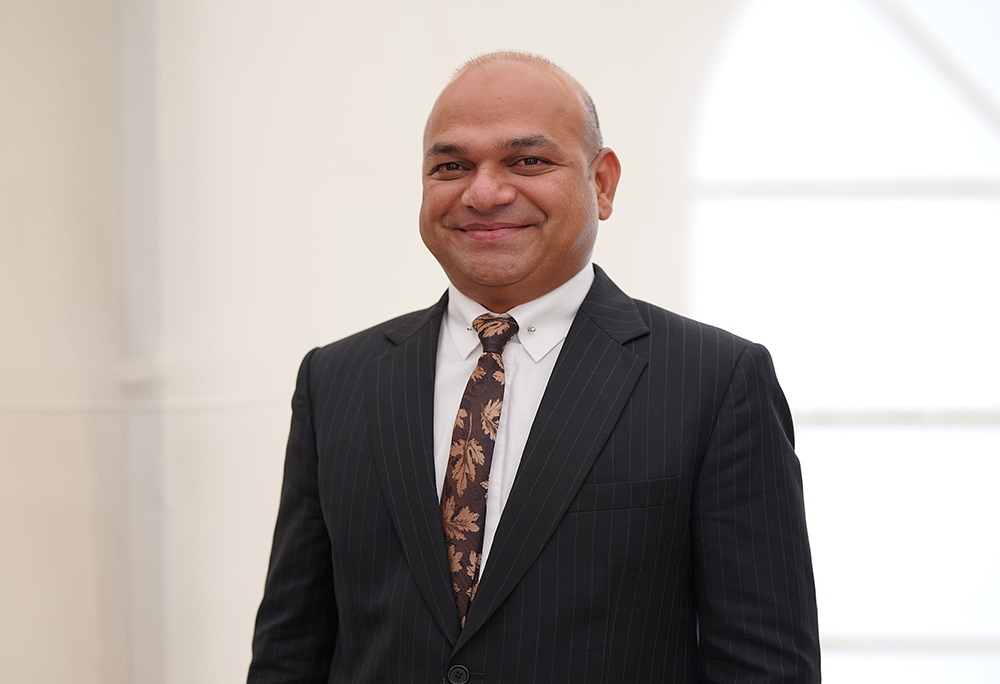
By Sidh NC, Co-Founder & Managing Director, QnA International.
Top news, insights and analysis every week
© copyright 2025 CampaignME
© copyright 2018 CampaignME
Why curated audiences are replacing mass marketing in B2B events – campaignme.com
Related Posts
 jan 22, 2026
 jan 22, 2026
 jan 22, 2026