
The Investigation of Lucy Letby has dropped on Netflix, marking at least the fifth documentary made since the neonatal nurse’s convictions in 2023 and 2024 on seven counts of murder and seven of attempted murder of babies in her care at the Countess of Chester hospital.
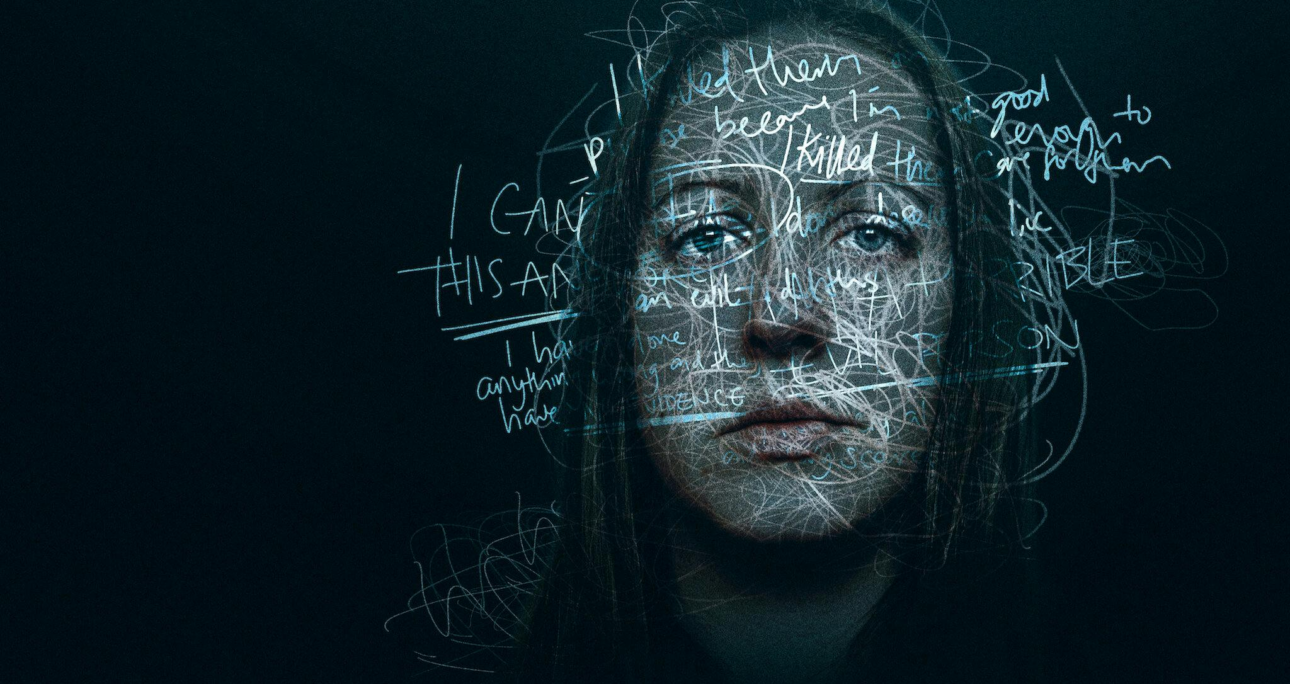
Unlike some of the others, Netflix’s new offering appears to lean into a more emotive telling of the case. Featuring unseen footage from Chester police, viewers see Lucy Letby say goodbye to her cats before being taken away, as well as hear her mother’s cries as her daughter is arrested. In many ways, The Investigation of Lucy Letby sets out to question whether the now-infamous story is about one of the most prolific female serial killers in history, or one of the greatest miscarriages of justice.
As with many documentaries, not everyone wants their identity revealed – and that’s the case in The Investigation of Lucy Letby. The show features anonymous accounts from ‘Sarah,’ mother to one of the babies who was said to be killed by Letby, and her university friend ‘Maisie.’ But while plenty of documentaries blur faces or black out identifying factors, Netflix’s offering has opted for a more unusual choice. As the opening scenes begin, text appears on screen informing viewers that ‘some contributors have been digitally disguised to maintain anonymity. Their names, appearances, and voices have been altered.’
When ‘Sarah’ – mother to baby ‘Zoe’ – appears onscreen, it’s a convincing show. She sighs at the right moments, emotionally looking to the side as she recounts her child’s death.
The same can be said for ‘Maisie,’ a digitally anonymised version of Lucy’s university friend. Also working as a nurse, one scene sees the AI character place her head in her hands as she breaks down after reading a note sent from Lucy.
It was a stylistic choice that has left many viewers confused. ‘Not the AI rendered people in the Lucy Letby documentary’ one wrote on X (formerly Twitter). Another added, ‘Not sure what to make of the decision in the Lucy Letby Netflix documentary to anonymise contributors by covering their faces with AI faces,’ wrote another.
Another agreed, ‘I think it’s a weird decision, but one of a kind we’ll have to wrestle with more and more. [All in] the name of giving the audience something emotional to connect to, I guess.’
Disguising the identity of interviewees in documentaries is nothing new. True crime documentaries often see witnesses or sources appear as dark silhouettes with electronically altered voices. Now, they can appear as realistic AI avatars.
As to whether this is a good thing, that’s up for debate.
Humans are influenced, both positively and negatively, by the facial expressions of one another. In some ways, using AI puts a face to the story. We see eyebrows raise, foreheads furrow, and eyes grow teary as they tell their story. While the digital disguise on screen isn’t real, the emotion is.
On the flip side, others argue that digital disguises are a distraction rather than a help. ‘It really took me out of it watching these AI people move and speak,’ one user wrote on a Reddit thread about Netflix's new show. 'I understand their reasoning for doing it but then I don't understand why the shadowed figure with the altered voice couldn't have been used instead, it still anonymises the person without that weird disconnect AI creates.'
To digitally anonymise someone means simply to disguise their identity using digital means. While in the past this may have involved changing their voice, blurring their faces, or using an actor, AI has meant a whole new level of disguise can be created. Using AI rendered faces and voices, complete fictional identities can be created. These characters may look and appear somewhat human, but they’re no more than avatars.
And it's far from new. AI characters have existed on social media for years. Shows like ABBA Voyage have allowed people to interact with celebrities without even being in the same room. It's even been toyed with in Hollywood, with AI actress Tilly Norwood hitting headlines.
It's raised the important question of whether digital anonymity well may become our new norm – particularly when it comes to true crime shows. As with many sensitive documentaries, especially those involving crime, court cases, and high-profile figures, there’s a real and genuine need to protect those who contribute. Exposing their identities, especially that of family members or friends, can put them at risk of harassment, safety, or emotional trauma. As to whether digital disguises are something audiences want to see on their screen, however, is another question entirely.
Charlotte Roberts is a writer at Grazia UK, specialising in SEO. She spends her days covering everything celebrity, culture and entertainment – from film review roundups to cast explainers.
© 1962-2026 Bauer Media Group
Bauer Consumer Media Ltd, Company number 01176085; Bauer Radio Limited, Company number: 1394141; Registered office: Media House, Peterborough Business Park, Lynch Wood, Peterborough PE2 6EA and H Bauer Publishing, Company number: LP003328; Registered office: The Lantern, 75 Hampstead Road, London NW1 2PL
All registered in England and Wales. VAT no 918 5617 01
H Bauer Publishing are authorised and regulated for credit broking by the FCA (Ref No: 845898)
Why Did Netflix Anonymise Its Interviewees in the Lucy Letby Documentary? – Grazia Daily UK
Related Posts
 mar 25, 2026
 mar 24, 2026
 mar 24, 2026
