
Games & Commerce Controversy is growing as mobile games whose ads differ from actual gameplay repeatedly find commercial success. 'Last War: Survival' and 'Gossip Harbor' are cited as representative games where the content highlighted in ads differs from the actual core gameplay, and sanctions have already been imposed overseas.In Last War ads, a character runs forward while attacking enemies and increases troops by passing through doors marked with numbers. The actual game focuses on base building, hero development and competition between alliances. The shooting content shown in ads also exists, but it accounts for a limited share of the overall game.Gossip Harbor is similar. Some ads show scenes of rescuing a mother and child shivering in the cold or repairing a house. The actual game, however, uses a merge puzzle format in which players combine items to complete customer orders, combined with character stories and decorating spaces.These differences are leading to user complaints. Reviews for the two games in app stores raised concerns that the play users expected from ads differs from the actual game. In response, Last War's operator explained that the shooting content is included in the actual game, while Gossip Harbor replied that it would reflect user opinions on ad content.◆Ads differ from games…Gossip Harbor ranks No. 3 in global revenueSeparate from the controversy, Gossip Harbor is generating high revenue in mobile game markets at home and abroad.According to mobile market research firm Sensor Tower, Gossip Harbor ranked third in global mobile game revenue in October, behind 'Roblox' and 'Honor of Kings'. It also ranked third in September, staying in the upper tier of global revenue for two straight months. The ranking is based on Apple App Store and Google Play, excluding revenue from third-party Android markets.In Korea, the match merge 2 genre that includes Gossip Harbor is also showing noticeable growth. The genre's domestic in-app purchase revenue ranking rose to No. 7 in 2025 from No. 60 in 2021. By cumulative revenue from January to October this year, it ranked fourth, behind MMORPGs, 4X strategy and idle RPGs. It was the highest-ranked sub-genre among casual games.Over the same period, Gossip Harbor ranked first among domestic match merge 2 games in both in-app purchase revenue and the scale of revenue growth. Microfun's 'Seaside Escape' ranked second in revenue, and Century Games' 'Tasty Travel' ranked third.Gossip Harbor's user expansion is assessed to have been influenced by aggressive advertising. Sensor Tower estimated that 83.8 percent of downloads in Korea from January to October this year came through paid display ads. In July, it logged its highest-ever monthly downloads in the Korean market.Ad exposure was also large. Over the same period, publisher Microfun ranked 22nd among domestic game advertisers by ad spending, but placed 11th in the number of ad impressions.Tasty Travel showed a similar growth pattern. From January to October this year, it posted about $30 million in in-app purchase revenue in Korea, and about 70 percent of downloads came through paid display ads. Over the same period, ad spending was about eight times last year's total annual spend.◆Ads draw users, while the actual game keeps them playingThe ad strategy for these games is characterised by drawing user attention with simple controls and intuitive goals rather than complex game systems. The actual games, in contrast, encourage continued participation through progression, rewards and competition.Last War combines base expansion and hero development with alliance-level competition. Gossip Harbor links item merging and order completion to various events such as coin and energy rewards, card albums and season passes, encouraging repetitive play.In October, Gossip Harbor ran three events for Halloween using card collection, castle exploration and exhibition rewards. It is a method of adding new goals and rewards to basic puzzle play to encourage user participation.Taken together, the structure can be interpreted as ads securing new users, while the actual games create opportunities for long-term use and spending through progression, rewards and competition.Still, it is difficult to conclude that download growth through advertising directly led to revenue expansion. The retention rate of users brought in through paid ads and the actual conversion rate to payments require separate verification.◆Even mini-games included in actual games face sanctions…Korea also bans ads with different contentThe controversy over differences between ads and actual games is also leading to regulatory issues overseas.Britain's Advertising Standards Authority (ASA) on the 4th judged that some mobile game ads from four advertisers, including King and Scopely, could mislead consumers about actual gameplay. It barred the ads at issue from being reposted in their existing form.The case of 'Idle Zombie Miner: Gold Tycoon' in particular drew attention. The ad showed scenes of operating an excavator to gather resources and unlock new areas. The game company said a similar mini-game exists in the actual game, but the ASA did not accept it.The mini-game was about 60 seconds of bonus content that appeared after completing mines 4th to 7th out of a total of 194 mines. Elements emphasised in the ad, such as upgrading the excavator and exploring a wide map, also differed from actual play.The ASA judged that even if a mini-game exists, it could mislead users if it does not represent the game's core play and there is a substantive difference from the experience shown in the ad.An ad for King's 'Farm Heroes Saga' was also included among the targets of sanctions. The problematic ad showed a scene in which matching a puzzle brought a circular saw closer to a cow, but that situation does not exist in the actual game. Despite a notice that it was not actual gameplay footage, the ASA judged users could be misled into thinking they could actually enjoy that play.Korea also has related rules. Article 34, Paragraph 1, Item 1 of the Game Industry Promotion Act bans advertising a rated game with content that differs from the game or distributing or posting related promotional materials.Even so, emphasising certain content in an ad does not immediately constitute a legal violation. Differences between the ad and the game content must be examined in detail, and the UK decision also did not target Last War or Gossip Harbor.An industry official said, "For mobile game ads, it is important to capture users' attention in a short time and lead them to installation." The official said, "Still, if the actual game differs too much from the experience expected from the ad, it can lead to user churn or complaints, so a balance is needed between acquiring new users and maintaining trust."This content was produced with the assistance of AI and reviewed by our editorial team. You can read the original version in Korean here.source
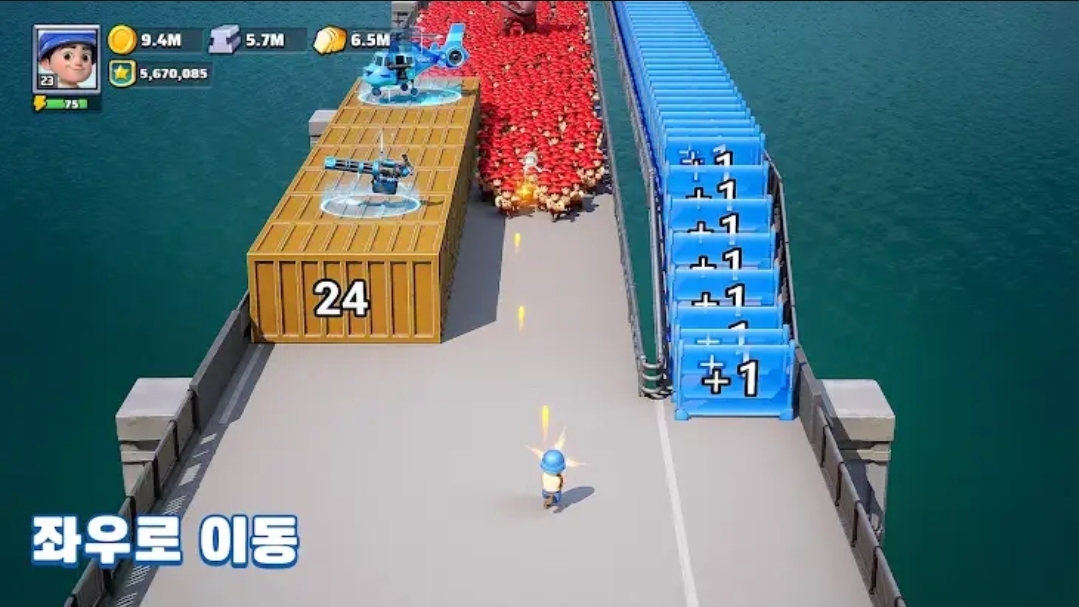
Mobile game hit formula under fire as ads differ from gameplay – 디지털투데이
Related Posts
 nov 12, 2026
 nov 12, 2026
 nov 12, 2026